Starting your investment journey can feel overwhelming—especially with so many trading platforms and brokers competing for your attention.
In this guide, we’ll highlight the best brokers for new investors, helping you take your first confident steps into the world of investing.
Best Brokers For Beginners UK
Investing involves risk. Asset prices can move rapidly and you may lose some or all money invested. Never invest more than you can afford to lose.Advertising disclosure
Our picks at a glance
- 1 Pepperstone Top score: Platforms 4.8 Info Visit Pepperstone
- 2 XTB Top score: Trust 4.8 Info Visit XTB
- 3 Interactive Brokers Top score: Assets 4.3 Info Visit Interactive Brokers
- 4 IG Top score: Fees 4.5 Info Visit IG
- 5 eToro Top score: Trust 4.0 Info Visit eToro
- 6 Forex.com Top score: Research 4.3 Info Visit Forex.com
-
Our top pick
In our tests, Pepperstone aided beginners with a low minimum deposit, responsive 24/5 support, and free demo accounts. Educational resources featured webinars, trading guides, and strategy tutorials. Execution was swift, with intuitive MT4, MT5, and cTrader platforms. Access to forex, indices, commodities, and crypto enabled new traders to practise and develop skills in a secure, low-risk setting.
- Instruments
- CFDs, Forex, Currency Indices, Stocks, Indices, Commodities, ETFs, Crypto CFDs (only Pro clients), Spread Betting
- Regulator
- FCA, ASIC, CySEC, BaFin, DFSA, SCA, SCB, CMA-Kenya
- Platforms
- Pepperstone Trading Platform, MT4, MT5, cTrader, TradingView
- Min. Deposit
- $0
- Min. Trade
- 0.01 Lots
- Leverage
- 1:30 (Retail - UK, EU, Australia), 1:500 (Pro), 1:200 (Offshore), 1:400 (Kenya)
CFDs and FX are complex instruments and come with a high risk of losing money rapidly due to leverage. 73-89% of retail investor accounts lose money when trading CFDs.
-
In our tests, XTB served novices with a minimal deposit requirement, prompt support, and complimentary demo accounts. Educational materials featured videos, webinars, and comprehensive trading guides. The xStation platform provided user-friendly tools and risk management options. Access to forex, indices, commodities, and cryptocurrencies enabled new traders to learn and practise in a safe, affordable setting.
- Instruments
- CFDs on shares, Indices, ETFs, Raw Materials, Forex currencies, cryptocurrencies, Real shares, Real ETFs
- Regulator
- FCA, CySEC, KNF, DFSA, FSC, SCA, CMF, Bappebti
- Platforms
- xStation
- Min. Deposit
- $0
- Min. Trade
- 0.01 Lots
- Leverage
- 1:30
CFDs are complex instruments and come with a high risk of losing money rapidly due to leverage. 74% of retail investor accounts lose money when trading CFDs with this provider. You should consider whether you understand how CFDs work and whether you can afford to take the high risk of losing your money
-
Interactive Brokers offers an outstanding educational suite for novice traders. Newcomers have access to IBKR Campus, Traders’ Academy, Traders’ Insight, podcasts, webinars, a lively forum, and a student trading lab. After extensive exploration of these resources, the Beginner Level course at Traders’ Academy stands out as essential. It covers topics from futures and sector investing to point and figure charting and IBKR's order types. In addition, the absence of a minimum deposit means entry is accessible for beginners.
- Instruments
- Stocks, Options, Futures, Forex, Funds, Bonds, ETFs, Mutual Funds, Cryptocurrencies, CFDs
- Regulator
- SEC, FINRA, CFTC, NFA, CIRO, FCA, CBI, ASIC, SFC, SEBI, JFSA, MAS
- Platforms
- Trader Workstation (TWS), IBKR Desktop, GlobalTrader, Mobile, Client Portal, AlgoTrader, OmniTrader, TradingView, eSignal, TradingCentral, ProRealTime, Quantower
- Min. Deposit
- $0
- Min. Trade
- $1
- Leverage
- 1:30
-
In our analysis, IG offered user-friendly trading with comprehensive educational materials, such as webinars, guides, and demo accounts. Customer service was responsive through chat and phone. Execution proved reliable, allowing beginners access to forex, stocks, indices, and commodities with intuitive platforms and risk management tools, making IG a good fit for novice traders.
- Instruments
- CFDs (not in US), Forex, Stocks, Indices, Commodities, ETFs, Futures, Options, Crypto, Spread Betting (UK only)
- Regulator
- CFTC, NFA, FCA, BaFin, ASIC, FINMA, MAS, JFSA, FMA, DFSA, BMA, CONSOB
- Platforms
- Web, L2 Dealer, MT4, TradingView, AutoChartist, TradingCentral, ProRealTime
- Min. Deposit
- $0
- Min. Trade
- 0.01 Lots
- Leverage
- 1:30 (Retail), 1:222 (Pro)
Spread bets and CFDs are complex instruments and come with a high risk of losing money rapidly due to leverage. 70% of retail investor accounts lose money when trading spread bets and CFDs with this provider. You should consider whether you understand how spread bets and CFDs work, and whether you can afford to take the high risk of losing your money.
-
In our recent tests, eToro assisted novices with a minimal deposit requirement, efficient 24/5 support, and complimentary demo accounts. Educational tools featured webinars, trading manuals, and importantly, social trading elements for peer learning. Executions were dependable, while access to stocks, ETFs, forex, and crypto offered a low-risk setting for new traders to practise and gain confidence.
- Instruments
- CFDs, Forex, Stocks, Indices, ETFs, Smart Portfolios, Commodities, Futures, Crypto, NFTs
- Regulator
- FCA, CySEC, MiCA, MFSA, FSRA, ASIC, FSAS, MAS, GFSC
- Platforms
- eToro Web, CopyTrader, TradingCentral
- Min. Deposit
- $50
- Min. Trade
- $10
- Leverage
- 1:30
61% of retail investor accounts lose money when trading with this provider. eToro is a multi-asset investment platform. The value of your investments may go up or down. Your capital is at risk. Don’t invest unless you’re prepared to lose all the money you invest. This is a high-risk investment and you should not expect to be protected if something goes wrong.
-
FOREX.com excels with its expanding range of educational resources, particularly for those keen on mastering technical analysis. The trading guides on essential chart patterns and levels are noteworthy. The self-assessment quiz serves as an excellent starting point, directing users to the appropriate educational content based on their skill level and comprehension.
- Instruments
- Forex, CFDs, Stock CFDs, Indices, Commodities, Futures, Options, Crypto
- Regulator
- NFA, CFTC, CIRO, FCA, CySEC, ASIC, FSA, MAS, CIMA, CMA-UAE
- Platforms
- WebTrader, Mobile, MT4, MT5, TradingView
- Min. Deposit
- $100
- Min. Trade
- 0.01 Lots
- Leverage
- 1:30
Compare
Safety Comparison
Compare how safe the Best Brokers For Beginners In The UK 2026 are and what features they offer to protect traders.
| Broker | Trust Rating | FCA Regulated | Negative Balance Protection | Guaranteed Stop Loss | Segregated Accounts |
|---|---|---|---|---|---|
 |
4.6 | ||||
 |
4.6 | ||||
 |
4.5 | ||||
 |
4.4 | ||||
 |
4.3 | ||||
 |
4.5 |
Payments Comparison
Compare which popular payment methods the Best Brokers For Beginners In The UK 2026 support and whether they have trading accounts denominated in British Pounds (GBP).
| Broker | GBP Account | Debit Card | Credit Card | Neteller | Skrill | Apple Pay |
|---|---|---|---|---|---|---|
|
||||||
|
||||||
|
||||||
|
||||||
|
||||||
|
Mobile Trading Comparison
How good are the Best Brokers For Beginners In The UK 2026 at mobile trading using apps or other mobile interfaces.
| Broker | Mobile Apps | iOS Rating | Android Rating | Smart Watch App |
|---|---|---|---|---|
|
iOS & Android | 4.4 | 4.1 | |
|
iOS & Android | 4.7 | 4.1 | |
|
iOS & Android | 4.3 | 4.5 | |
|
iOS & Android | 4.6 | 4.0 | |
|
iOS & Android | 4.0 | 3.8 | |
|
iOS & Android | 3.6 | 3.8 |
Beginners Comparison
Are the Best Brokers For Beginners In The UK 2026 good for beginner traders, that might want an affordable setup to get started, along with good support and educational resources?
| Broker | Demo Account | Minimum Deposit | Minimum Trade | Support Rating | Education Rating |
|---|---|---|---|---|---|
|
$0 | 0.01 Lots | 4.6 | 4.0 | |
|
$0 | 0.01 Lots | 4.3 | 3.8 | |
|
$0 | $1 | 3.0 | 4.3 | |
|
$0 | 0.01 Lots | 4.5 | 4.8 | |
|
$50 | $10 | 2.5 | 4.0 | |
|
$100 | 0.01 Lots | 3.9 | 3.9 |
Advanced Trading Comparison
Do the Best Brokers For Beginners In The UK 2026 offer features that allow for more advanced trading strategies?
| Broker | Automated Trading | Pro Account | Leverage | VPS | AI | Low Latency | Extended Hours |
|---|---|---|---|---|---|---|---|
|
Expert Advisors (EAs) on MetaTrader, cBots on cTrader | 1:30 (Retail - UK, EU, Australia), 1:500 (Pro), 1:200 (Offshore), 1:400 (Kenya) | |||||
|
- | 1:30 | |||||
|
TWS API | 1:30 | |||||
|
Expert Advisors (EAs) on MetaTrader, build your own on ProRealTime | 1:30 (Retail), 1:222 (Pro) | |||||
|
Automate your trades via CopyTrader - follow profitable traders. Open and close trades automatically when they do. | 1:30 | |||||
|
Expert Advisors (EAs) on MetaTrader | 1:30 |
Detailed Rating Comparison
Use this heatmap to compare our detailed ratings for all of the Best Brokers For Beginners In The UK 2026.
| Broker | Trust | Platforms | Mobile | Assets | Fees | Accounts | Support | Research | Education |
|---|---|---|---|---|---|---|---|---|---|
|
4.6 | 4.8 | 4.3 | 4.6 | 4.5 | 4.0 | 4.6 | 4.3 | 4.0 |
|
4.6 | 4.0 | 4.4 | 4.6 | 3.9 | 4.0 | 4.3 | 4.1 | 3.8 |
|
4.5 | 3.3 | 4.4 | 4.7 | 4.3 | 3.5 | 3.0 | 4.4 | 4.3 |
|
4.4 | 4.8 | 4.3 | 4.5 | 5.0 | 4.0 | 4.5 | 4.9 | 4.8 |
|
4.3 | 2.8 | 3.9 | 3.8 | 3.4 | 4.1 | 2.5 | 4.3 | 4.0 |
|
4.5 | 4.6 | 3.7 | 4.0 | 4.2 | 4.0 | 3.9 | 4.8 | 3.9 |
Our Take On Pepperstone
Pepperstone excels in trading with tight spreads, swift execution, and advanced charting for seasoned traders. Beginners enjoy zero minimum deposit, comprehensive educational materials, and outstanding 24/5 support, including 18-hour weekend assistance.
 Tobias Robinson Reviewer
Pros
- Support for top-tier charting platforms such as MT4, MT5, TradingView, and cTrader. These tools accommodate different short-term trading methods, including algorithmic trading.
- Pepperstone offers pre-IPO perpetual futures, adding Anthropic in October 2026, enabling 24/7 speculation on expected share prices through cash-settled CFDs.
- In recent years, Pepperstone has significantly enhanced the deposit and withdrawal process. By 2025, clients can use Apple Pay and Google Pay, while 2024 saw the introduction of PIX and SPEI for customers in Brazil and Mexico.
Cons
- Overnight holding fees exceed those of some Market Maker brokers (typically Benchmark + 2.5%). Pepperstone suits traders and forex scalpers well but is less ideal for swing traders who keep positions open overnight.
- Execution might not appear as dependable in rapid markets as headline speeds imply. Our tests showed swift execution at targeted prices. However, community feedback highlights concerns over slippage, stop-loss fills, and order triggers sensitive to spreads amid volatility.
- Although the market range has expanded, crypto CFD options remain somewhat restricted, especially when compared to specialised brokers like Eightcap. Additionally, there is no facility to invest in actual cryptocurrencies.
73-89% of retail investor accounts lose money when trading CFDs
Our Take On XTB
XTB excels for novice traders with its superb xStation platform, minimal trading costs, no required deposit, and outstanding educational resources, many of which are fully integrated into the platform.
 William Berg Reviewer
Pros
- In 2026, XTB expanded its asset offerings and markets. It introduced options trading in Spain and Germany, launched spot cryptocurrencies in select regions, and unveiled Investment Plans 2.0. These enhanced plans now feature more pre-built options, including sectors like Defence, a user-friendly interface, and increased flexibility to mix stocks and ETFs within individual plans.
- The xStation platform stands out with its user-friendly design and intuitive tools, such as adaptable news feeds, sentiment heatmaps, and a trader calculator. These features streamline the learning process for new traders.
- XTB offers a superb array of educational resources, such as training videos and articles, embedded within the platform to assist traders of all experience levels.
Cons
- XTB lacks a raw spread account, a feature increasingly offered by competitors such as Pepperstone. This omission might not satisfy traders seeking the most competitive spreads.
- The demo account lasts only four weeks, posing a challenge for traders wanting to fully explore the xStation platform and refine short-term strategies before investing actual money.
- XTB has stopped supporting MT4, restricting traders to its own platform, xStation. This decision may discourage experienced traders accustomed to using the MetaTrader suite.
74% of accounts lose money when trading CFDs with this provider.
Our Take On Interactive Brokers
Interactive Brokers ranks highly for seasoned traders due to its robust charting platforms, live data, and bespoke layouts via the new IBKR Desktop app. Its competitive pricing and sophisticated order choices appeal to traders, and its wide equity options are industry-leading.
Tobias Robinson Reviewer
Pros
- IBKR is a highly respected brokerage, regulated by top-tier authorities, ensuring the integrity and security of your trading account.
- Interactive Brokers has introduced a single platform linking prediction markets on Kalshi, CME Group, and ForecastEx. Users can trade yes/no contracts on political, economic, and climate events, with fixed $1 payouts. Enjoy 24/6 market access and earn interest on eligible positions.
- The TWS platform is tailored for intermediate and advanced traders, featuring over 100 order types and a dependable real-time market data feed with exceptional uptime.
Cons
- TWS has a steep learning curve, making it difficult for newcomers to navigate and grasp its features.
- IBKR offers a variety of research tools, but their inconsistent placement across trading platforms and the 'Account Management' webpage creates a confusing experience for users.
- Support can be sluggish and frustrating. Tests reveal that you may face challenges reaching customer service quickly, which could result in delays in issue resolution.
Our Take On IG
IG offers a complete package: an easy-to-use web platform, top-tier beginner education, enhanced charting via TradingView, up-to-date data, and strong trade execution for seasoned traders.
Tobias Robinson Reviewer
Pros
- IG excels with its diverse instruments, offering stocks, forex, indices, commodities, and cryptocurrencies. Additionally, it provides US-listed futures, options, and an AI Index, ensuring varied diversification opportunities.
- IG secured a crypto asset license from the FCA, enabling its return to the UK market. It now offers buying, selling, and storage services for over 55 digital tokens with fees starting at 1.49%, all under FCA regulation.
- The web-based platform supports traders at every level, offering advanced charting tools and real-time market data vital for trading. Additionally, IG now includes TradingView integration.
Cons
- Beginners may find IG's fees complicated, as they vary depending on the trades or services. This could cause confusion and unexpected costs.
- IG has ended its swap-free account, diminishing its attractiveness to Islamic traders.
- IG imposes a monthly inactivity fee of $12 to $18 after two years, discouraging occasional investors.
70% of retail investor accounts lose money when trading CFDs with this provider. You should consider whether you can afford to take the high risk of losing your money.
Our Take On eToro
eToro's social trading platform excels with its outstanding user experience and lively community chat, aiding beginners in spotting opportunities. It offers competitive fees on numerous CFDs and real stocks, alongside exceptional rewards for seasoned strategists.
Tobias Robinson Reviewer
Pros
- In July 2026, eToro Edge introduced significant enhancements, including a charting package tailored for active traders and AI trading via Tori.
- The trading app provides a top-tier social environment featuring an engaging feed and community chat, which we enjoy using.
- The entry requirements for eToro Club have been reduced. For $4.99 monthly, members enjoy 18 benefits, including a debit card that converts purchases into stocks with a 4% share return.
Cons
- The absence of extra charting platforms such as MT4 may deter experienced traders who rely on external software.
- There are no assured stop-loss orders, which could be a valuable risk management tool for novice traders.
- The minimum withdrawal is set at $30, accompanied by a $5 fee. This may impact traders with limited funds, particularly those just starting out.
61% of retail CFD accounts lose money. eToro is a multi-asset investment platform. The value of your investments may go up or down. Your capital is at risk.
Our Take On Forex.com
FOREX.com excels in serving traders of all levels, offering more than 80 currency pairs, spreads starting at 0.0 pips, and competitive commissions. Its robust charting platforms provide over 100 technical indicators and comprehensive research tools.
Tobias Robinson Reviewer
Pros
- With more than two decades of expertise, strong regulatory governance, and numerous accolades, including a second-place finish in our 'Best Forex Broker' awards, FOREX.com is globally renowned as a reliable trading platform.
- The in-house Web Trader remains a top-tier platform for budding traders, featuring an elegant design and more than 80 technical indicators for market analysis.
- FOREX.com provides top-tier forex rates beginning at 0.0 pips, along with attractive cashback rebates up to 15% for dedicated traders.
Cons
- FOREX.com's MT4 platform provides around 600 instruments, a notable reduction compared to the more than 5,500 options on its other platforms.
- US clients are not protected against negative balances, which means you could end up owing more than your initial deposit.
- Demo accounts are typically limited to 90 days, hindering effective strategy testing.
How To Compare Brokers For Beginners
With so many online brokers competing for attention, choosing the right platform can feel overwhelming. The best options for beginners, however, tend to share a few key qualities:
Account Fees & Trading Costs
It’s common for beginners to be drawn in by the promise of ‘commission-free investing‘, only to discover later that currency conversion fees or wider spreads eat into returns. For example, buying US stocks through some UK brokers can quietly cost an extra 1% or more per trade. Over a year of monthly investing, this can add up to more than the headline savings on commission.
Platform Usability
Many new investors start with platforms that initially seem exciting but quickly become overwhelming due to flashing charts and endless menus. A simple, intuitive dashboard reduces mistakes and makes it easier to focus on long-term investing. Those who start on complex trading-style platforms often find themselves distracted by tools they don’t understand or need.
Finding the right broker as a beginner often comes down to more than fees—it’s about clarity, support, and confidence. Hands-on experience shows that a platform that feels intuitive and transparent makes learning the markets far less intimidating.

Investment Choice
A broad menu of investments sounds ideal, but too much choice can lead to ‘analysis paralysis.’ Beginners often end up sticking to familiar UK shares or a single ETF simply because the platform doesn’t guide them well. Brokers that highlight starter-friendly funds or provide model portfolios often help new investors make more confident first choices.
Educational Resources
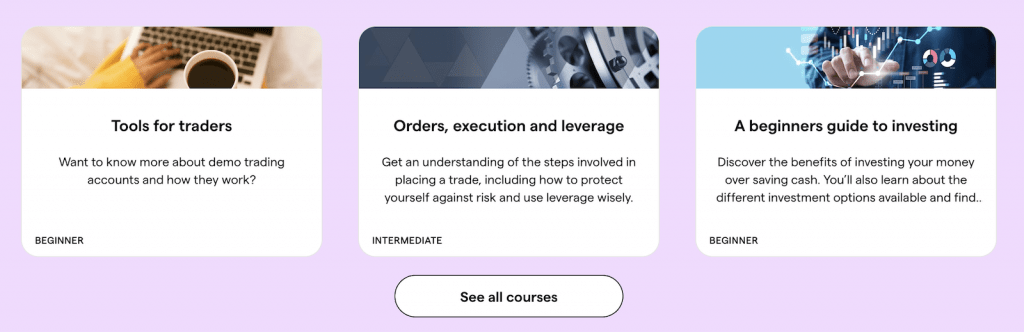
Good educational support goes beyond articles buried in a help centre. Some platforms provide structured learning modules, quizzes, or video explainers that gradually build knowledge. Without this, many beginners rely on social media advice or forums—sometimes picking up risky habits before even understanding the basics of diversification.
Customer Support
When withdrawals get delayed or an order doesn’t execute, waiting days for a reply can be stressful. Many new investors discover too late that their broker relies heavily on chatbots with little real support. Platforms with quick access to human help during market hours can provide peace of mind at critical moments.
Copy Trading & Social Investing
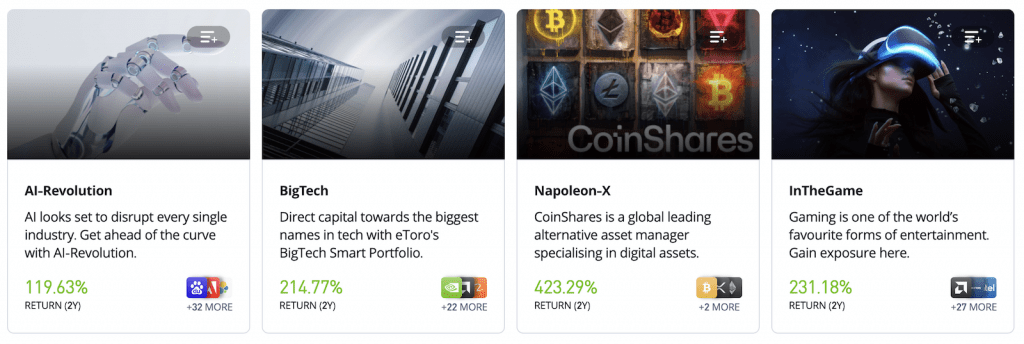
Copy trading feels like a safety net at first—simply follow someone experienced and learn by watching. But many discover that the most-followed traders often use high-risk strategies that look good in the short term but swing wildly over time. The most useful platforms are those that display each trader’s risk score, portfolio breakdown, and past drawdowns, so beginners can learn responsibly instead of blindly following.
Safety & Regulation
Discovering later that a broker isn’t FCA-regulated can be an expensive lesson. FSCS protection and segregated client funds aren’t just technical jargon—they’re the line between recovering your money in a worst-case scenario and losing it altogether. Beginners who research this early tend to avoid costly mistakes.
Fractional Shares & Minimum Deposits
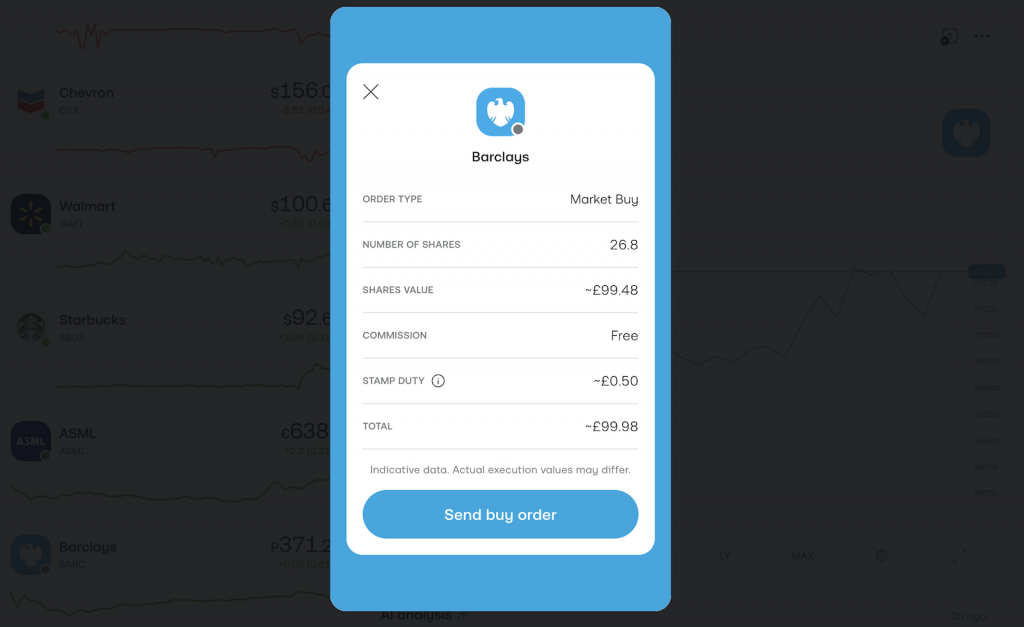
Fractional shares often make the difference between investing £20 a week in big names like Amazon or being locked out until more cash is available. However, some brokers only allow fractions through riskier CFD products, leaving beginners confused about what they own. Direct fractional ownership is safer and keeps things simpler for first-time investors.
Mobile App vs Desktop
Starting with just a mobile app is convenient, but it can hide the limitations of a platform. Many beginners only realise later that they can’t set advanced orders, export statements easily, or access research tools from mobile alone. Platforms that sync seamlessly between mobile and desktop provide a smoother learning curve and better long-term usability.
Demo Accounts
A demo account is one of the most underrated beginner tools. Practising with virtual money allows new investors to place trades, explore order types, and get comfortable with a platform’s features without risking real capital. Using a demo first often reveals whether a platform feels intuitive or overly complex, and highlights risky habits—like overtrading—before real money is committed. The absence of a demo option means the first mistakes are likely to come with actual losses, making it harder to learn safely.
Practising on a demo account before investing real money revealed exactly how trades behave and where mistakes happen. Experiencing it firsthand made my initial live trades far less stressful and much more manageable.
Hidden Features & Future-Proofing
Many beginners choose a broker solely on fees, only to regret it when they later want access to international markets, better research tools, or tax wrappers. Moving investments to a new platform can trigger capital gains tax or involve weeks of delays. Starting with a broker that can grow with you—offering both beginner simplicity and advanced tools—saves frustration down the road.
Bottom Line
Choosing the best broker for beginners in the UK isn’t about chasing the lowest fees or the flashiest features—it’s about finding a platform that balances cost, usability, safety, and long-term flexibility.
The best brokers help new investors learn as they go, offer accessible entry points like fractional shares or demo accounts, and provide reassurance through strong regulation and reliable support.
With the right choice at the start, beginners can focus less on the mechanics of trading and more on building the confidence and habits that lead to long-term investing success.